Shane Sookhan
Scientist
About
I am a scientist, software developer, and educator dedicated to creating innovative solutions for complex environmental challenges. My experience spans research, where I explore cutting-edge AI-based technologies for working with large remote sensing and multimodal environmental datasets; software development, where I develop powerful geospatial analytical research tools and interactive data visualization materials; and education, where I create unique geospatial-based experiential learning opportunities. Through this interdisciplinary approach, I aim to positively influence society by advancing our understanding and management of environmental issues.
- City: Toronto, Canada
- Email: shane dot sookhan at altitudeintellect dot com
- Hobbies: Soccer, Reading, Bass Guitar, Travelling
- Specializations: Geospatial AI, Scientific Software Development, Environmental Data Science
As the founder of Altitude Intellect, I provide consultancy services in the development of geospatial analysis tools, geospatial data visualization tools, and landscape mapping. For consulting inquiries please contact me at shane dot sookhan at altitudeintellect dot com.
Resume
Summary
Shane Sookhan
Research scientist, scientific software developer, and adjunct professor specializing in geospatial AI, remote sensing, machine learning, and multimodal environmental and geological data analysis. Experienced in leading and developing AI-driven analytical systems using LiDAR, hyperspectral imaging, XRF, RGB imagery, geospatial datasets, and scientific visualization tools for applications in mineral exploration, climate analysis, glacial geology, and environmental intelligence.
Extensive interdisciplinary experience spanning industry R&D, academic research, scientific software engineering, geospatial consulting, project coordination, and higher education.
Education
Doctor of Philosophy in Environmental Science
2015 - 2022
University of Toronto, Canada
Master of Environmental Science
2014 - 2015
University of Toronto, Canada
Thesis: LiDAR-based volume assessment of the origin of the Wadena drumlin field
Honours Bachelor of Science, Environmental Geoscience
2009 - 2014
University of Toronto, Canada
Selected Academic Work Experience
Adjunct Professor
2025 - Present
University of Toronto, Toronto, Canada
- Contribute to interdisciplinary research and teaching in geospatial analysis, environmental science, and applied data science
- Support knowledge translation between academic research, scientific software development, and applied environmental analysis
Postdoctoral Researcher
2023 - 2024
University of Toronto Scarborough, Toronto, Canada
- Led development of INTERSECT, a research project investigating the spatial relationship between climate and socio-economic data
- Developed data-crawling and geostatistical tools using Python and GIS for producing indicators to assess community wellbeing
Sessional Instructor
2023 - 2024
University of Toronto Scarborough, Toronto, Canada
- Department of Human Geography, Fundamentals of GIS I
- Developed and delivered engaging course material on the fundamentals of Geographic Information Systems (GIS).
Research Assistant
2015 - 2022
University of Toronto Scarborough, Toronto, Canada
- Developed GIS-based techniques to improve the mapping of formerly glaciated landscapes from remote sensing data to predict effects of global climate change
- Pre-existing remote sensing datasets supplemented using UAV remote sensing (LiDAR and photogrammetry)
- Data analysis skills and software used include Python (Scikit-learn, TensorFlow, arcpy), R (ggplot, caret package), machine learning (neural network analysis, unsupervised image segmentation), classification (fuzzy logic, decision tree), ArcGIS (spatial statistics)
Selected Professional Work Experience
Team Lead Research Scientist
2024 - Present
GeologicAI, Toronto, Canada
- Lead and contribute to R&D initiatives focused on geological interpretation, multimodal sensor integration, and AI-driven drill core analysis workflows using LiDAR, XRF, SWIR, VNIR, and RGB sensor systems
- Coordinate R&D workflows across software, hardware, and geoscience teams, including sprint planning, task organization, testing coordination, and technical review processes
- Guide development and testing of analytical workflows for structural geology, scientific visualization, and geotechnical interpretation
- Develop scientific software and analytical workflows using Python, OpenCV, PyTorch, scikit-learn, 3D point cloud processing, and hyperspectral data analysis
Senior Geospatial Developer
2024
Confluvio Consulting, Montreal, Canada
- Contributed to the design and delivery of interactive geospatial web applications for environmental and conservation-focused initiatives
- Managed development tasks related to ArcGIS Pro tool creation, documentation, and large-scale geospatial data processing workflows
- Prepared and delivered GIS training materials and technical support sessions for external clients and collaborators
Founder and Lead Consultant
2022 - Present
Altitude Intellect, Toronto, Canada
- Lead independent consulting and research initiatives focused on geospatial analysis, scientific software development, and environmental intelligence systems
- Manage proposal preparation, project planning, and technical development for interdisciplinary geospatial and remote sensing projects
- Coordinate collaborations involving academic, environmental, and industry stakeholders
Software Developer
2021 - 2022
PRISM Institute, Mississauga, Canada
- Lead developer on ComeAI, a web app which allows user manipulation of Bayesian model parameters to provide information on socio-economic risk factors influenced by environmental data to stakeholders
- Responsible for Postgres (Supabase), HTML, CSS and JavaScript (including Vue.js) development
- Included the geocoding of web-scraped open-source socio-economic data (World Bank, etc.) for use in Leaflet map-UI element for selection of model parameters
Quaternary Geologist and Data Modeller
2021 - 2022
Natural Resources Canada, Ottawa, Canada
- Developed geospatial analysis methods for mapping and differentiating glacial activity regimes from remote sensed data
- Acquired and assembled LiDAR-based Digital Elevation Model data for study area in south Baffin Island
- Geospatial analysis completed using Python scripts with mapping done in ArcMap and ArcGIS Pro
Software Developer
2012 - 2021
University of Toronto Scarborough, Toronto, Canada
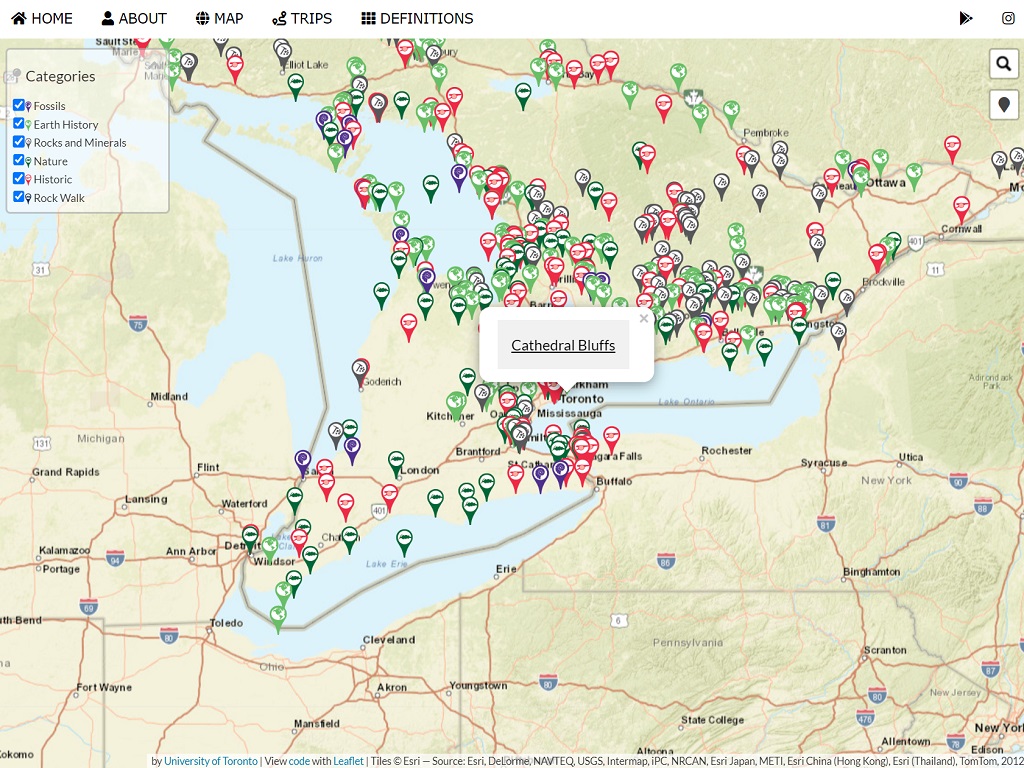
- Lead developer for Let's Rock Ontario Android App and website. Instructional Design lead for Planet Earth Online, a government funded (ecampusOntario) online course used by over 2000 students a year and Virtual Petrography, an online tool for teaching microscopy
- Learning objects coded using Javascript, Python, CSS, JQuery and HTML. All learning objects developed to meet Web Content Accessibility Guidelines (WCAG)
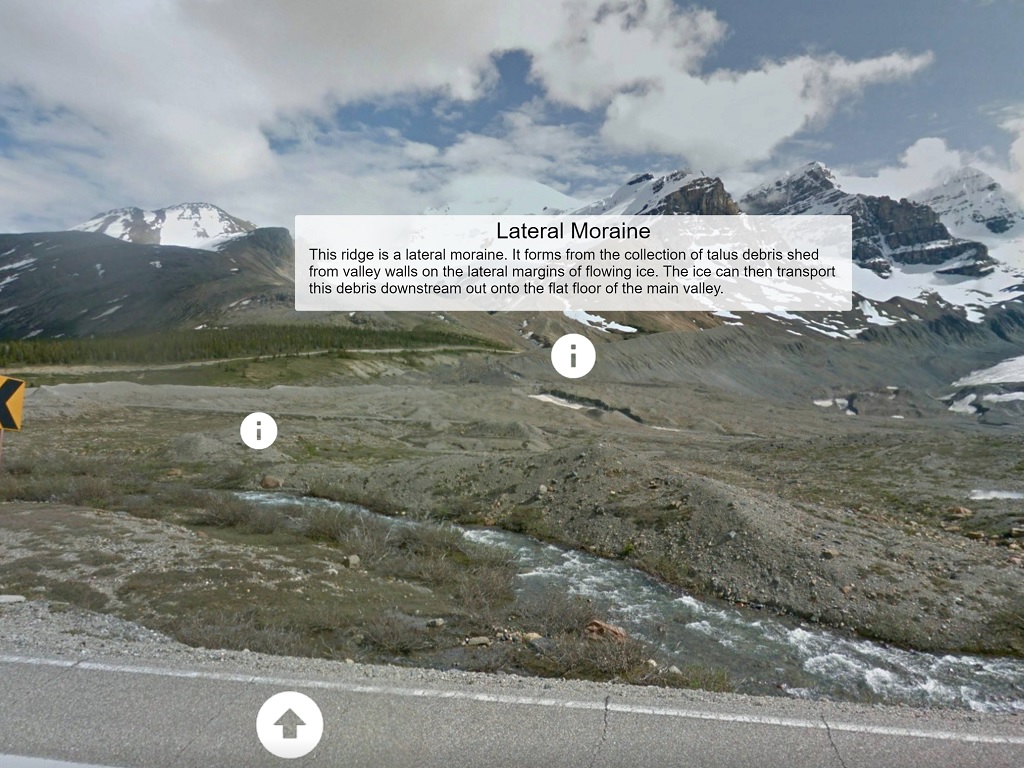
- Geospatial web development packages used include Leaflet, TileMill, PanolensJS, and ArcGIS StoryMaps
- Design and Course Development software used includes Adobe Photoshop, Illustrator, and Captivate, and Blender
Portfolio
Here are a few publicly available projects that I've worked on:
- All
- App
- Research
- Teaching
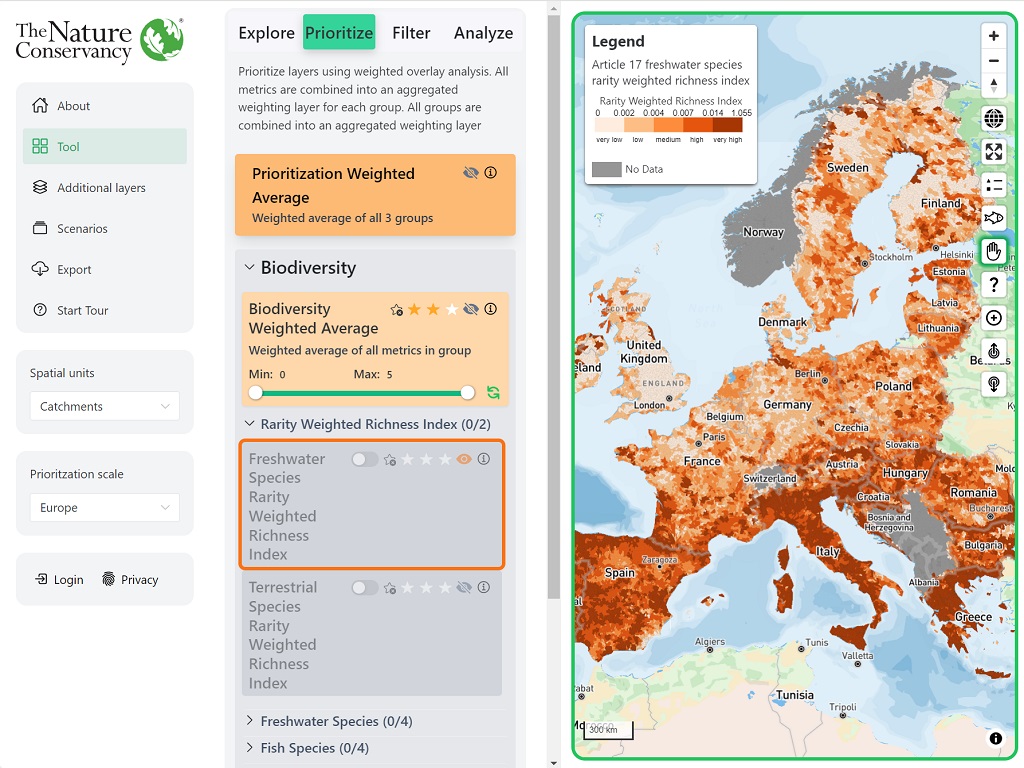
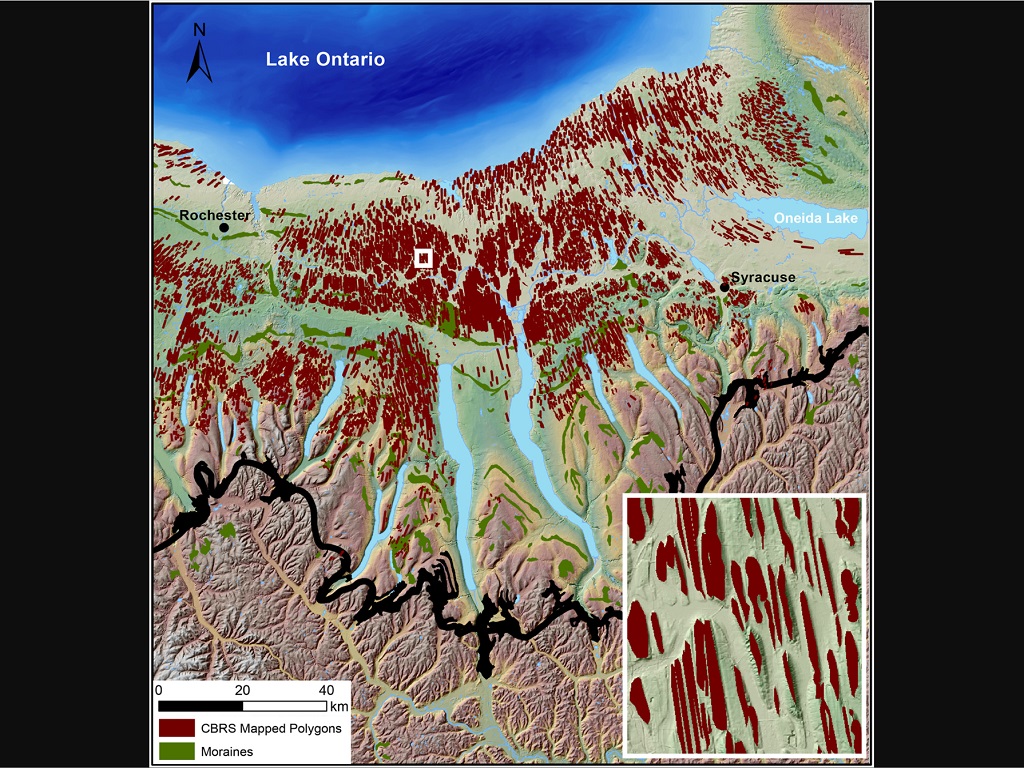
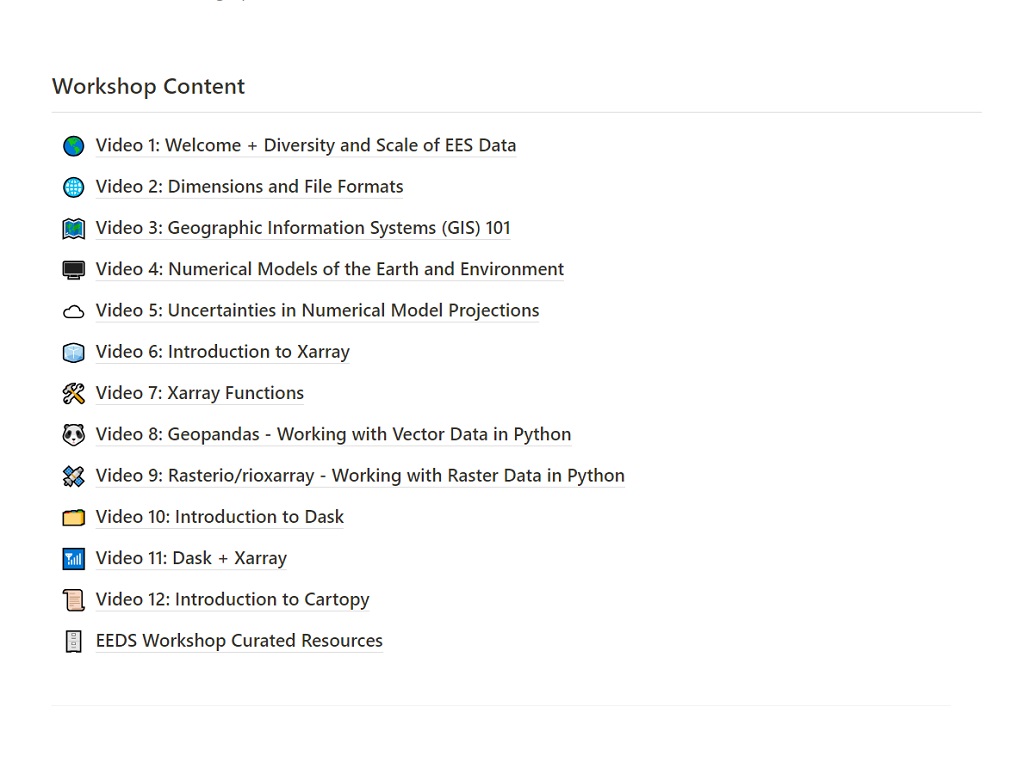
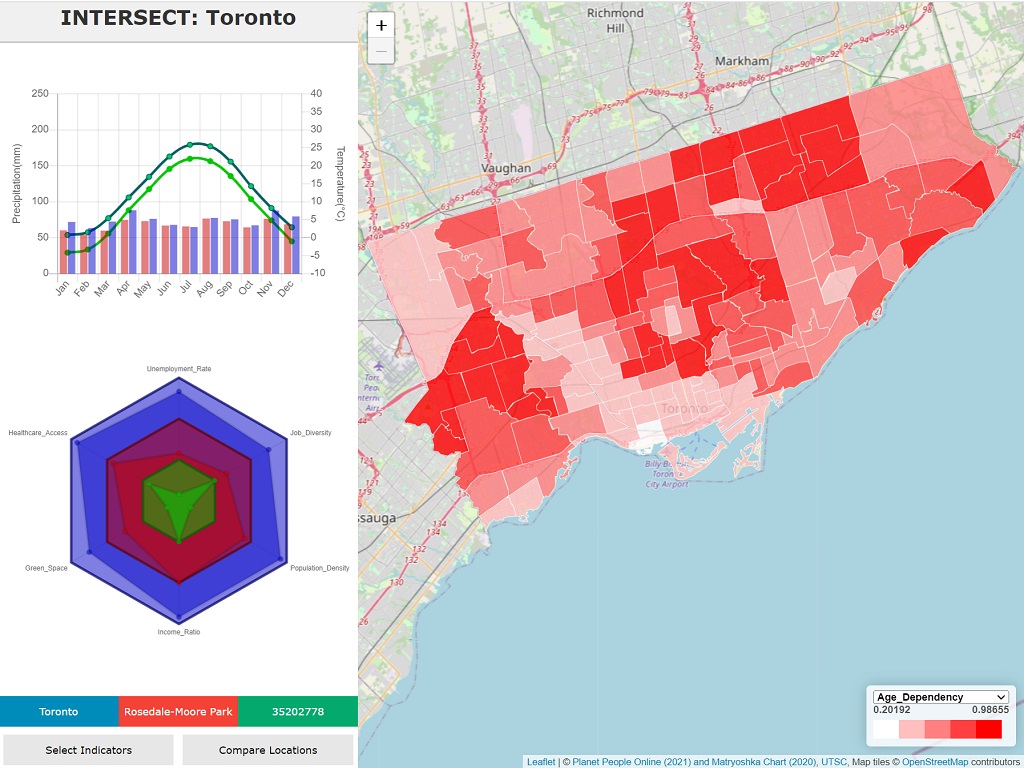
Research
Focus Areas
- Develop AI-driven geospatial and scientific analysis systems for environmental, geological, and remote sensing applications
- Integrate LiDAR, hyperspectral imagery, UAV data, geospatial datasets, and machine learning methods to extract meaningful patterns from complex spatial data
- Bridge scientific research, environmental decision-making, mineral exploration, and interactive education through robust analytical tools and visual data systems
My research focuses on developing AI-driven geospatial and scientific analysis systems for understanding complex environmental and geological processes. I work extensively with remote sensing data, LiDAR, hyperspectral imagery, geospatial datasets, and machine learning techniques to develop analytical workflows capable of extracting meaningful patterns from large-scale environmental data.
My work spans glacial geomorphology, environmental intelligence systems, multimodal sensor integration, scientific visualization, mineral exploration technologies, and geospatial AI. I am particularly interested in how emerging computational methods can bridge scientific research, environmental decision-making, and interactive educational systems.
Peer-reviewed journal publications
Sookhan, N., Sookhan, S., Grewal, D., Onuferko, T. M., Cadotte, M. W., and MacIvor, J. S. (2026). Plant invasion reduces density-dependent pollination but not florivory. Oecologia, 208(5), 59.
Sookhan, N., Sookhan, S., Grewal, D., and MacIvor, J. S. (2024). Automating field-based floral surveys with machine learning. Ecological Solutions and Evidence, 5(4), e12393.
Sookhan, S., Eyles, N., Bukhari, S., and Paulen, R. C. (2023). Response to comments by Karig (2021) on Sookhan et al. "Lidar-based quantitative assessment of drumlin to mega-scale glacial lineation continuums and flow of the paleo Seneca-Cayuga paleo-ice stream". Quaternary Science Reviews, 305, 107451.
Eyles, N., Bukhari, S., Sookhan, S., Ruscica, P., and Paulen, R. (2023). LiDAR-based semi-automated mapping of drumlins and mega-scale glacial lineations of the Green Bay Lobe, Wisconsin, USA: ice sheet beds as glaciotribological systems. Earth Surface Processes and Landforms, 48(2), 295-321.
Sookhan, S., Eyles, N., and Bukhari, S. (2022). Drumlins and mega-scale glacial lineations as a continuum of subglacial shear marks: a LiDAR based morphometric study of streamlined surfaces on the bed of a Canadian paleo-ice stream. Quaternary Science Reviews, 292, 107679.
Bukhari, S., Eyles, N., Sookhan, S., Mulligan, R., Paulen, R., Krabbendam, M., et al. (2021). Regional subglacial quarrying and abrasion below hard-bedded palaeo-ice streams crossing the Shield-Palaeozoic boundary of central Canada: the importance of substrate control. Boreas, 50(3), 781-805.
Sookhan, S., Eyles, N., Bukhari, S., and Paulen, R. C. (2021). LiDAR-based quantitative assessment of drumlin to mega-scale glacial lineation continuums and flow of the paleo Seneca-Cayuga paleo-ice stream. Quaternary Science Reviews, 263, 107003.
Sookhan, S., Eyles, N., and Arbelaez-Moreno, L. (2019). Reply to the comment by HAJ Russell on "Converging ice streams: a new paradigm for reconstructions of the Laurentide Ice Sheet in southern Ontario and deposition of the Oak Ridges Moraine". Canadian Journal of Earth Sciences, 56(8), 889-893.
Sookhan, S., Eyles, N., and Putkinen, N. (2018). LiDAR-based mapping of paleo-ice streams in the eastern Great Lakes sector of the Laurentide Ice Sheet and a model for the evolution of drumlins and MSGLs. GFF, 140(2), 202-228.
Sookhan, S., Eyles, N., and Arbelaez-Moreno, L. (2018). Converging ice streams: a new paradigm for reconstructions of the Laurentide Ice Sheet in southern Ontario and deposition of the Oak Ridges Moraine. Canadian Journal of Earth Sciences, 55(4), 373-396.
Eyles, N., Moreno, L. A., and Sookhan, S. (2018). Ice streams of the Late Wisconsin Cordilleran Ice Sheet in western North America. Quaternary Science Reviews, 179, 87-122.
Eyles, N., Putkinen, N., Sookhan, S., and Arbelaez-Moreno, L. (2016). Erosional origin of drumlins and megaridges. Sedimentary Geology, 338, 2-23.
Sookhan, S., Eyles, N., and Putkinen, N. (2016). LiDAR-based volume assessment of the origin of the Wadena drumlin field, Minnesota, USA. Sedimentary Geology, 338, 72-83.
Yu, P., Eyles, N., and Sookhan, S. (2015). Automated drumlin shape and volume estimation using high resolution LiDAR imagery (Curvature Based Relief Separation): A test from the Wadena Drumlin Field, Minnesota. Geomorphology, 246, 589-601.
Thesis, reports, and other scholarly outputs
Sookhan, S. S. (2022). Exploring the Glaciodynamic Significance and Origin of Drumlins and Mega-Scale Glacial Lineations from High-Resolution Topographic Imagery. Doctoral dissertation, University of Toronto.
Eyles, N., Kennedy, K., and Sookhan, S. (2022). Canada on the Move: Discovering the Natural History of Georgian Bay.
Eyles, N., Mulligan, R., Paulen, R., and Sookhan, S. (2018). Subglacial bedforms in Southern Ontario: from flood paths to flow sets. Geological Survey of Canada Open File Report 8481, 66.
Manuscripts and research outputs in development
Sookhan, S., Paulen, R., Zajch, A., Tremblay, T., and Eyles, N. Reconstructing glaciodynamic behaviour using surface-based roughness analysis of high-resolution digital elevation model data in Southern Baffin Island, Nunavut, Canada and Peterborough, Ontario, Canada. In preparation.
Sookhan, S., and Eyles, N. Glaciological structure of a surge-induced Late Wisconsin paleo-ice stream: Two Medicine Glacier, eastern Rocky Mountains, Montana, USA. In preparation.
Paulen, R., Sookhan, S., Tremblay, T., and Eyles, N. Median flow-directional roughness of study area in Southern Baffin Island, Nunavut, Canada. In preparation.
Recent conference abstracts and presentations
Sookhan, S., Sookhan, N., Eyles, N., and Paulen, R. C. (2024). Revolutionizing subglacial bedform mapping: integrating deep learning with traditional techniques. American Geophysical Union (AGU).
Grill, G. O., Sookhan, S., Tickner, D., Lehner, B., Thieme, M., and Opperman, J. (2024). A standardized index to monitor trends in global and regional river connectivity. AGU Fall Meeting Abstracts, H53Y-03.
Akçar, N., Eyles, N., Bukhari, S., Paulen, R. C., and Sookhan, S. (2023). Discriminating substrate geology and ice flow velocity controls on subglacial streamlined landforms and surfaces under a paleo ice stream in central Canada. INQUA.
Bukhari, S. S. A., Sookhan, S., Eyles, N., Shi, Y., Mulligan, R. P. M., and Paulen, R. C. (2020). Geomorphology of a Late Wisconsin hard-bedded ice stream landsystem, Ontario, Canada revealed by high resolution LiDAR mapping. Geological Society of America.
Ruscica, P., Eyles, N., Sookhan, S., and Bukhari, S. (2020). Erosionally-streamlined subglacial bedforms, and ice marginal pressed moraines on the bed of a paleo ice stream: Green Bay Lobe, Wisconsin, USA: LiDAR mapping of a soft-bed ice stream landsystem. Geological Society of America Abstracts, 52, 359117.
Invited talks and contributed presentations
Sookhan, S., Eyles, N., Bukhari, S., and Paulen, R. (2021). LiDAR-based quantitative assessment of drumlin to mega-scale glacial lineation continuums and flow of the paleo Seneca-Cayuga paleo-Ice Stream. Oral presentation. GAC-MAC 2021.
Sookhan, S. (2020). Planet Earth Online: Project Update and Experiences. Sharing Online Teaching Ideas Meeting, Department of Physical and Environmental Sciences, University of Toronto.
Sookhan, S., and Eyles, N. (2020). Field Experiences. Adapting Experiential Learning for Remote Delivery Webinar Series, Office of the Vice-Provost, Innovations in Undergraduate Education, University of Toronto.
Sookhan, S. (2020). What machine learning tells us about ancient ice sheets. Oral presentation. Centre for Planetary Sciences Colloquium, University of Toronto.
Sookhan, S., and Eyles, N. (2019). Erosional origin of sediment-cored drumlins and megascale glacial lineations: upper tills as thickened erodent layers. Oral presentation. 20th Congress of the International Union for Quaternary Research, Dublin, Ireland.
Sookhan, S., and Eyles, N. (2019). Drumlin Mapping Using Deep Learning Object Detection Systems. Poster and oral presentations. INQUA and University of Toronto Environmental Science Colloquium.
Sookhan, S., and Eyles, N. (2019). Glaciological structure of a surge-induced Late Wisconsin paleo-ice stream: Two Medicine Glacier, eastern Rocky Mountains, Montana, USA. Poster presentation. INQUA Palaeo-Ice Streams session.
Sookhan, S., and Eyles, N. (2017). Exploring the origins of drumlins and megascale glacial lineations. Poster and oral presentations. GAC-MAC and University of Toronto Environmental Science Colloquium.
Eyles, N., Sookhan, S., and Putkinen, N. (2015). Erosional Origin for Drumlins by Subglacial Erodent Layers: A Tribological Model. Oral presentation. 2015 AGU-GAC-MAC-CGU Joint Assembly, Montreal, Canada.
Sookhan, S., Gao, R. (2013). The technological present is the key to the past: Using mobile and web devices to teach Geosciences. Facies analysis revisited: into the third and fourth dimension, McMaster University.
Daxberger, H., Kennedy, K., Sookhan, S., and Moumblow, R. (2021). Comparing student learning achievements using traditional versus virtual microscopes for Mineralogy and Petrology. Oral presentation. GAC-MAC 2021.
Daxberger, H., Kennedy, K., Sookhan, S., and Moumblow, R. (2021). Virtual Petrography - Expanding the Microscope Laboratory with a New Interactive Online Tool. Oral presentation. Earth Educators' Rendezvous.
Eyles, N., and Sookhan, S. (2017). The Oak Ridges Moraine was deposited between two fast-flowing ice streams. Oral presentation. 2017 GAC-MAC annual meeting, Kingston, Canada.
Arbelaez-Moreno, L., Eyles, N., and Sookhan, S. (2017). Ice streams within the last Cordilleran Ice Sheet. Poster presentation. 2017 GAC-MAC annual meeting, Kingston, Canada.
Sookhan, S., Eyles, N., and Putkinen, N. (2015). LiDAR-based Volume Assessment of the Wadena Drumlin Field and End Moraines, Minnesota, USA: Evaluating an Erosional Origin for Megascale Glacially Lineated Terrains. Poster presentation. Ice stream bed processes, 2015 AGU-GAC-MAC-CGU Joint Assembly, Montreal, Canada.
Contact
Feel free to contact me at shane dot sookhan at altitudeintellect dot com